
ALECPEA Upgrade T-7000 Black Adhesive Glue
4.6Editor score
High elasticity for flexible bonds
Precision needle dispenser included
Waterproof and durable formula
This guide compares the top ten adhesives for electronic components including thermal conductives silicones and precision glues for repairs and permanent
Selecting the right adhesive for electronic components is critical for ensuring long-term reliability and performance in modern devices. Whether you are sealing a circuit board or bonding a heatsink to a processor, the wrong choice can lead to failures.
We evaluated ten highly rated products based on their bonding strength, thermal properties, and ease of application. Our analysis focuses on how well each adhesive protects sensitive parts from moisture, heat, and physical stress during operation.
Each pick highlights specific strengths like conductivity or flexibility to help you find the perfect match for your project. Please note that availability and stock levels may vary over time as supply chains shift.
4.6Editor score

4.4Editor score

4.8Editor score
The following table provides a side-by-side overview of key specifications and capabilities for all ten products considered in this comprehensive guide.


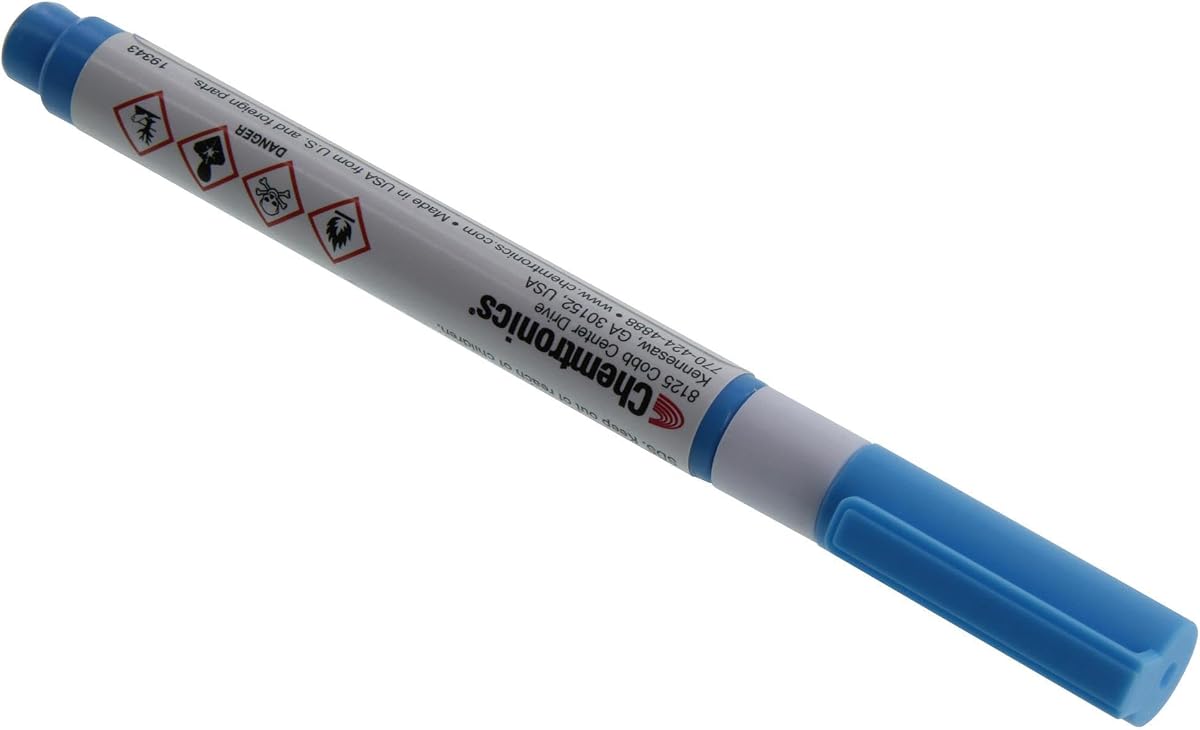
This electronic adhesive is designed to provide high viscosity insulation and permanent sealing for sensitive circuitry. With a strong rating from users, it delivers a protective layer that guards against moisture and environmental stress.
We may earn a commission when you buy through this link, at no additional cost to you.
Its ability to withstand temperatures from negative fifty to two hundred degrees Celsius makes it versatile for various components. The adhesive cures into a soft glue that remains flexible and maintains its clarity over long periods of use.
While it offers excellent flow properties, users should allow sufficient time for it to dry completely to ensure full waterproofing. The application process is straightforward but requires care to avoid excess buildup on delicate parts.
It is an ideal choice for general protection on electronic devices and control boards. We recommend it for anyone needing a reliable sealant that balances ease of use with robust environmental resistance.
The adhesive remains effective across a broad thermal range ensuring stability in harsh operating conditions.
It forms a clear barrier that does not yellow allowing easy visual inspection of the circuit below.
We may earn a commission when you buy through this link, at no additional cost to you.
This T-7000 adhesive is built for professionals and DIY users needing a waterproof repair solution. It offers exceptional elasticity stretching significantly without breaking which makes it ideal for devices that vibrate or flex.
We may earn a commission when you buy through this link, at no additional cost to you.
The precision dispensing tool ensures you can apply the exact amount needed for tiny areas without mess. Its high solid content provides strong adhesion that outperforms many standard silicone or acrylic glues on various surfaces.
Users should note that full strength is achieved only after a full day of curing which may slow down quick fixes. Additionally, testing on a small area first is wise to avoid potential damage to sensitive irreplaceable items.
It stands out as a budget-friendly option for phone and electronics repairs where flexibility is key. We recommend it for those who need a reliable flexible bond without spending on premium industrial products.
The glue can stretch up to nine hundred percent of its original length absorbing stress without failing.
A needle dispenser and anti-clog cap allow for accurate placement in delicate repair scenarios.
We may earn a commission when you buy through this link, at no additional cost to you.
This thermal glue features a silicone-based formula designed for high thermal conductivity and low impedance. It ensures rapid heat dissipation for high-stress components like MOSFETs and IC chips without risking electrical shorts.
We may earn a commission when you buy through this link, at no additional cost to you.
The non-electrically conductive and non-corrosive nature makes it 100 percent safe for delicate printed circuit boards. It creates a strong bond that stays permanent even when operating at elevated temperatures common in 3D printers or gaming systems.
While it offers a structural bond it may not match the thermal conductivity of high-end pastes used directly on CPU dies. It is best used for securing heatsinks to VRMs or LEDs where mechanical stability matters alongside heat transfer.
It is a must-have for DIY maintenance tasks requiring a balance of safety and performance. We recommend it for securing cooling solutions to components where a permanent non-conductive bond is required.
The adhesive is designed to prevent any electrical conductivity protecting sensitive traces from short circuits.
Its formula prioritizes rapid heat dissipation reducing thermal throttling and extending hardware lifespan.
We may earn a commission when you buy through this link, at no additional cost to you.
This conductive glue delivers high thermal conductivity ideal for components like MOSFETs and LED arrays needing direct bonding. It helps disperse heat effectively from the chipset to the heat sink ensuring stable performance under load.
We may earn a commission when you buy through this link, at no additional cost to you.
It is non-conductive and non-toxic making it safe for both users and electronic components during application. The adhesive offers strong tensile strength and cures quickly on contact with air allowing for minimal downtime in production or repairs.
Users should note it cannot be used between a CPU and heatsink due to specific application limits. Handling the viscous compound requires care to ensure even distribution but it sets reliably within half an hour at room temperature.
It is a strong option for those needing reliable thermal bonding without compromising safety. We recommend it for applications where heat dissipation is a priority alongside structural adhesion.
The glue quickly dissipates heat from the chipset to the heat sink to maintain optimal operating temperatures.
It is designed to be odorless and moisture-proof ensuring long-term reliability without damaging the substrate.
We may earn a commission when you buy through this link, at no additional cost to you.
This electronic grade silicone features a non-corrosive curing system ideal for protecting and insulating sensitive materials like copper and brass. It forms a clear seal that prevents corrosion without damaging the underlying conductors.
We may earn a commission when you buy through this link, at no additional cost to you.
Being a neutral-cure silicone it emits no objectionable odors during curing which makes it suitable for use in confined areas. The formula is specifically designed for electrical production and assembly ensuring high reliability.
While excellent for small-scale assembly users should ensure adequate ventilation if used in large-scale production settings. The squeeze tube format is convenient for precision work but may be too small for industrial applications.
It is a trusted choice for protecting corrosion-sensitive electrical materials in a variety of environments. We recommend it for applications where material safety and non-corrosive properties are paramount.
The non-corrosive system ensures compatibility with a wide range of metals without causing degradation over time.
It cures without emitting objectionable odors allowing for safer use in tight workspaces.
We may earn a commission when you buy through this link, at no additional cost to you.
This sealant is designed for precision dispensing in electronics grade applications. It offers a clear finish that acts as a reliable adhesive and sealant for components needing protection from environmental factors.
We may earn a commission when you buy through this link, at no additional cost to you.
The 20 gram tube provides a convenient size for maintenance and small projects without excessive waste. Its formulation ensures it meets electronics grade standards for safety and performance in assembly settings.
While it lacks detailed technical specifications in the product description it is generally used for targeted sealing tasks. The precision tip allows for controlled application which is useful for intricate work on circuit boards.
It is a solid choice for users needing a trustworthy sealant for electronic components. We recommend it for precision sealing tasks where reliability and clarity are essential.
The tube is designed for accurate dispensing allowing users to target specific spots without excess mess.
Formulated to meet electronics grade standards it ensures safe use on sensitive components.
We may earn a commission when you buy through this link, at no additional cost to you.
This T-7000 adhesive is a definitive solution for phone screen and tablet repairs. It comes with a tweezer tool making it easy to handle tiny components during disassembly and reassembly.
We may earn a commission when you buy through this link, at no additional cost to you.
The glue allows for controlled application which is essential for delicate tasks like reattaching displays. It stretches significantly to absorb stress and vibration ensuring the bond remains strong even under physical strain.
Achieving maximum strength takes up to forty-eight hours so patience is required for full performance. Excess adhesive can be easily trimmed away once it begins to set ensuring a clean finish on the device.
It is an essential tool for anyone performing mobile device repairs at home. We recommend it for those needing a professional-grade adhesive that handles the rigors of daily device use.
The package includes everything needed for the task making it a convenient all-in-one solution for repairs.
Its high elasticity allows it to absorb vibration and impact protecting the screen from damage.
We may earn a commission when you buy through this link, at no additional cost to you.
This kit provides four different sizes of T8000 glue making it versatile for projects ranging from tiny repairs to larger bonding tasks. It includes tools like screwdrivers and tweezers for a complete repair experience.
We may earn a commission when you buy through this link, at no additional cost to you.
The adhesive is clear and low-odor which ensures it does not interfere with the aesthetics of the device. It forms a soft flexible bond that does not whiten or harden making it ideal for transparent screens or casings.
Users must ensure surfaces are clean and dry before application for the best adhesion results. Proper storage at controlled temperatures will extend the life of the glue and maintain its usability.
It is a premium choice for those needing flexibility and a comprehensive toolkit. We recommend it for versatile repair needs where multiple bond sizes and accessories are beneficial.
The multiple tube sizes allow you to choose the right volume for any task from small to large.
Included tools like screwdrivers and tweezers make it a comprehensive solution for mobile device repairs.
We may earn a commission when you buy through this link, at no additional cost to you.
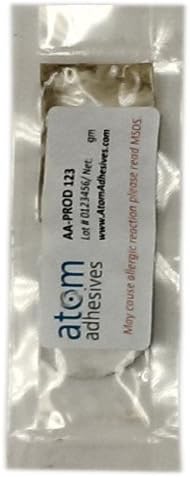
This electrically conductive silver epoxy adhesive is designed for electronic applications requiring conductivity. It comes in a single use pouch that simplifies mixing and application for small batch projects.
We may earn a commission when you buy through this link, at no additional cost to you.
It bonds well to a variety of substrates including glass metals and fabrics providing unbeatable strength for its size. The adhesive hardens at room temperature in twenty-four hours offering a straightforward curing process.
While it is a low-cost option the product rating suggests mixed experiences from some users. However its compliance with RoHS and conflict mineral regulations ensures it meets safety and environmental standards.
It is suitable for specialized tasks where electrical conductivity is required for the bond. We recommend it for small-scale applications needing a conductive adhesive without complex equipment.
This epoxy is formulated to provide electrical conductivity making it useful for specific circuit connections.
The single use pouch design simplifies the mixing process ensuring consistent results every time.
We may earn a commission when you buy through this link, at no additional cost to you.
This acrylic conductive adhesive is a high-quality option for industrial electronics applications. It features a nickel-based formula that provides reliable conductive bonding for specialized electronic assemblies.
We may earn a commission when you buy through this link, at no additional cost to you.
The product comes in a small gray compound package with a dispenser to aid in precise application. Its industrial grade quality ensures strong performance in demanding environments where standard glues might fail.
Users should note the limited volume which may require careful planning for larger projects. However the inclusion of tools and a dispenser makes it convenient for professional workflows.
It is a trusted choice for those needing a conductive adhesive with industrial standards. We recommend it for specialized applications where conductivity and reliability are critical.
The acrylic formula ensures high reliability for demanding industrial electronics applications.
Its conductive nature makes it suitable for specific tasks requiring electrical flow through the bond.
We may earn a commission when you buy through this link, at no additional cost to you.
Choosing the right adhesive requires understanding the specific needs of your project and the properties of the materials involved.
Thermal conductivity measures how well a material dissipates heat which is critical for high-performance processors and components. If your application involves cooling or high heat generation prioritize adhesives with higher thermal conductivity values.
Look for specifications mentioning high thermal conductivity to ensure your components stay cool and perform efficiently.
Some adhesives are designed to conduct electricity while others are insulators. Determine if you need a conductive bond for grounding or shielding or a non-conductive bond for safety and protection.
Always verify if the adhesive is electrically conductive or insulative to prevent short circuits in sensitive electronic assemblies.
Curing time refers to how long the adhesive needs to set fully before it reaches maximum strength. This impacts your workflow efficiency especially in time-sensitive repair or production scenarios.
Select adhesives with curing times that match your project schedule whether you need quick setting or can wait for full strength.
Electronic components often operate in varying environmental conditions so the adhesive must withstand these temperature fluctuations. Check the operating range to ensure it covers the expected heat and cold of your environment.
Choose adhesives with wide temperature resistance to maintain integrity under thermal stress and prevent bond failure.
Viscosity affects how easily the adhesive flows and how much control you have during application. Thinner adhesives may fill gaps better but thicker ones provide more control for small precise areas.
Consider the viscosity that best suits your application method to avoid mess and ensure accurate placement on components.
Moisture and chemicals can degrade bonds over time so water resistance is crucial for devices used outdoors or in humid environments. Look for adhesives rated as waterproof or moisture-proof for durability.
Ensure the adhesive has chemical resistance to protect your components from potential exposure to fluids or solvents.
Not all adhesives bond well to all materials such as metals glass or plastics. Confirm that the adhesive is compatible with the specific substrates you are joining to avoid weak bonds.
Check product details for material compatibility lists to ensure a strong and lasting connection for your components.
The packaging size should match your project scale from single repair tubes to bulk kits for production. Adequate volume prevents waste and ensures you have enough material to complete your work efficiently.
Choose a package size that fits your needs balancing convenience with cost to avoid running out of product.
Start by cleaning the surfaces you intend to bond with alcohol or a suitable solvent to remove dust and oils. A clean surface ensures the adhesive bonds directly to the material improving strength and reliability.
Apply the adhesive carefully using a precision tip or dispenser to avoid excess product on sensitive parts. Spread it evenly over the contact area and press the components together firmly to ensure good contact.
Allow the adhesive to cure fully before handling or powering the device to achieve maximum strength. Store unused adhesive in a cool dry place with the cap tightly sealed to prevent drying or contamination.
Conductive adhesives allow electricity to flow through the bond which is useful for grounding or shielding. Non-conductive adhesives act as insulators to prevent electrical shorts making them safer for general component protection.
Thermal glue is designed to bond components mechanically while conducting heat so it is great for securing heatsinks. It is generally not suitable for direct CPU sockets where high conductivity and thin gaps are required.
Removing cured adhesive can be difficult and may require gentle heating or mechanical scraping depending on the type. Use caution to avoid damaging sensitive components and always test removal methods on a small area first.
Electronic grade silicone is generally safe and non-corrosive for most components but always check compatibility with sensitive materials. Avoid using standard silicone which may contain corrosive acids that damage electronics.
Drying times vary by product but most require at least twenty-four hours for full strength. Refer to the specific product instructions to ensure you allow enough curing time for optimal bonding performance.
Regular craft glue lacks the thermal and electrical properties needed for electronics and may cause failures. Use adhesives specifically designed for electronic use to ensure reliability and safety for your device.
Many high-quality electronic adhesives can withstand temperatures from negative fifty to two hundred degrees Celsius. Always check the specific product specifications to ensure it fits your environmental operating requirements.
Some products come with precision needles or dispensers which help control application on small components. Basic tools like tweezers and clamps can also be useful for holding parts in place while the adhesive cures.
Our top picks highlight adhesives that excel in thermal conductivity precision bonding and flexible protection for electronics. Whether you are repairing a phone or bonding a heatsink these products offer reliable solutions for your needs.
Prioritize properties like conductivity and temperature resistance based on your specific project requirements to ensure long-term reliability. The right adhesive will protect your components and maintain performance under stress.
Please check current availability and details on the product pages as specifications and options may change. Selecting the right product now will ensure your electronics remain secure and protected for years.