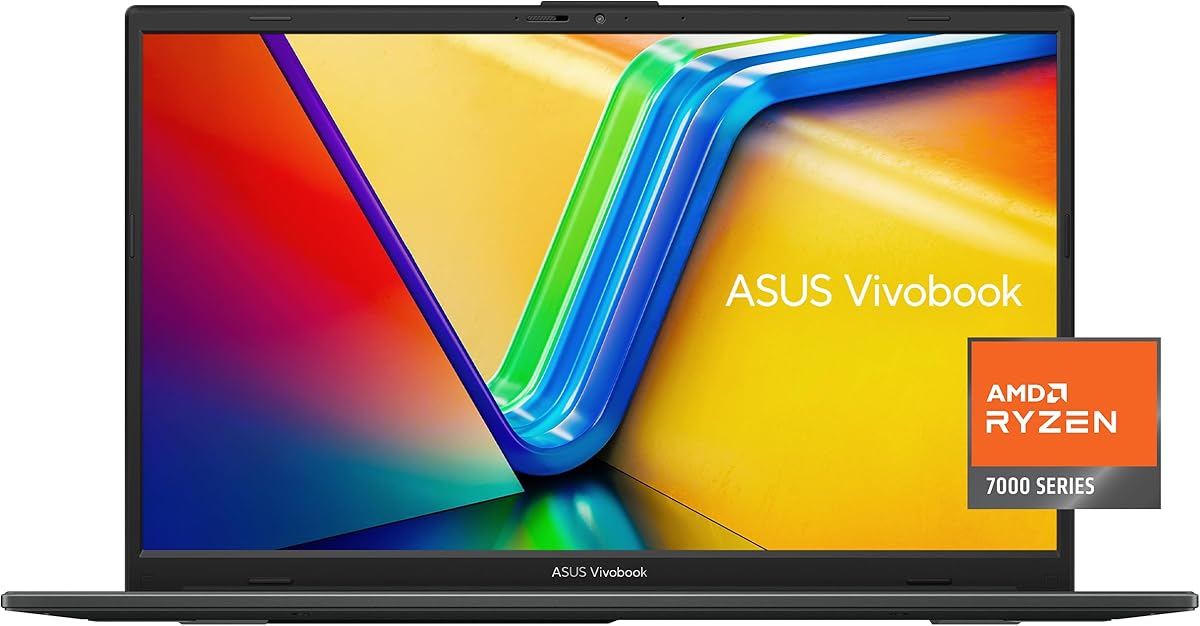
ASUS Vivobook Go 15
4.3Editor score
AMD Ryzen 3 processor
8GB DDR5 RAM
Lightweight slim design
Finding the right laptop for academic pursuits requires balancing performance, portability, and budget. ASUS offers a wide range of devices tailored to meet the evolving needs of modern students across various disciplines and usage scenarios.
This guide evaluates ten distinct ASUS models based on processor power, memory capacity, storage speed, display quality, and build durability. We focus on real-world usability for note-taking, research, media consumption, and light creative work.
Each selection highlights specific strengths and potential limitations to help you make an informed decision. Prices and availability fluctuate frequently, so verify current details before purchasing to ensure you get the best value for your investment.
4.3Editor score

4.8Editor score

4.5Editor score
As an Amazon Associate we earn from qualifying purchases.
This side-by-side comparison outlines key specifications for each model to help you quickly identify which device aligns best with your specific academic requirements and performance expectations.


The ASUS Vivobook Go 15 stands out as a compelling entry-level option for students needing a reliable machine for everyday tasks. With a 4.3 rating, it balances cost and functionality effectively for those on a tight budget.
We may earn a commission when you buy through this link, at no additional cost to you.
Its AMD Ryzen 3 7320U processor provides sufficient power for web browsing, document editing, and streaming video. The inclusion of 8GB DDR5 RAM ensures smooth multitasking across multiple browser tabs and applications without significant lag.
While the 128GB SSD is modest, it is fast and efficient for essential files and system operations. Students who rely heavily on cloud storage can easily mitigate this limitation while enjoying the benefits of quick boot times and responsive performance.
Ideal for high schoolers or college freshmen focusing on general coursework, this laptop delivers essential features like a privacy shutter and ergonomic keyboard without unnecessary bloat. It remains a top recommendation for budget-conscious buyers.
The Ryzen 3 processor handles standard productivity suites efficiently, ensuring students can complete assignments without hardware bottlenecks or frustration during critical deadlines.
Meeting military grade standards, the chassis withstands daily wear and tear in backpacks and dorms, providing longevity that matches the academic calendar requirements.
We may earn a commission when you buy through this link, at no additional cost to you.
This iteration of the Vivobook Go 15 offers a significant storage upgrade with a 512GB SSD, addressing a key limitation of its sibling model. It retains the popular 15.6 inch form factor while improving internal specifications for better longevity.
We may earn a commission when you buy through this link, at no additional cost to you.
The AMD Ryzen 5 7520U processor delivers enhanced multi-core performance, making it suitable for light photo editing or heavier research tasks involving multiple applications. Students benefit from the improved processing headroom without stepping up to a premium price tier.
Fast charging technology allows the battery to reach half capacity in thirty minutes, which is perfect for students rushing between classes or library sessions. AI noise-canceling technology ensures clear communication during virtual lectures or study groups.
While 8GB of RAM is standard for this class, it may limit heavy virtual machine usage. However, for typical coursework and media consumption, this machine offers a robust balance of power and practicality for everyday academic life.
With half a terabyte of storage, students can keep local copies of textbooks, projects, and media files without constantly managing cloud space or external drives.
The IceCool thermal technology keeps the laptop cool during extended use, preventing uncomfortable heat buildup on the lap during long study sessions in quiet environments.
We may earn a commission when you buy through this link, at no additional cost to you.
The ASUS Vivobook 14 with Snapdragon X processor represents a forward-thinking choice for students ready to embrace next-generation computing. Its 4.8 rating reflects exceptional user satisfaction with performance and reliability across diverse daily tasks.
We may earn a commission when you buy through this link, at no additional cost to you.
Equipped with 16GB of RAM, this model handles demanding multitasking scenarios effortlessly. Whether running research tools, browsers, and communication apps simultaneously, the system remains responsive and fluid without unnecessary slowdowns or freezing.
The Copilot+ PC designation indicates integrated AI capabilities that streamline workflows and enhance productivity. Features like instant search and natural language processing help students organize notes and find information faster than traditional methods allow.
Ideal for those prioritizing battery life and modern features, this laptop excels in portability and efficiency. While software compatibility should be checked for specific academic tools, the hardware delivers a premium experience at a competitive value point.
The Snapdragon X processor enables native AI processing, allowing for smarter task automation and voice commands that adapt to individual study habits and preferences over time.
The compact 14-inch form factor makes it easy to carry across campus, fitting neatly into backpacks while still providing ample screen real estate for focused work and reading.
We may earn a commission when you buy through this link, at no additional cost to you.
This slim Vivobook Go model targets users seeking extreme portability at an accessible price point. While its 3.9 rating suggests some limitations, it remains a viable choice for basic tasks like web research and word processing.
We may earn a commission when you buy through this link, at no additional cost to you.
The Intel Celeron N4500 processor is designed for efficiency rather than raw speed, making it suitable for low-demand applications. Students who primarily use cloud-based tools will find the system adequate for essential daily operations without frustration.
Despite having only 4GB of RAM, the device manages single-task workflows efficiently. Fast charging technology ensures the battery stays topped up quickly, which is beneficial for students moving between lectures or study sessions throughout the day.
Best suited for younger students or those with minimal computational needs, this laptop offers practical features like a privacy shutter and backlit keyboard. It serves as a reliable secondary device for travel or lightweight home study.
The thin design minimizes bulk in backpacks, ensuring the laptop is easy to transport without adding significant weight to daily commuting gear.
Efficient power management allows for consistent uptime during school hours, reducing the need to search for outlets during long days on campus.
We may earn a commission when you buy through this link, at no additional cost to you.
The Vivobook 16 expands the viewing area with a 16-inch WUXGA display, providing ample space for multitasking and content creation. With a 4.4 rating, it balances visual quality and performance effectively for visual-heavy academic work.
We may earn a commission when you buy through this link, at no additional cost to you.
Powered by the Snapdragon X processor and 16GB RAM, this system handles complex layouts and large documents with ease. The larger screen real estate improves productivity by allowing multiple windows to be open simultaneously without clutter.
Color accuracy and brightness are strong points, making this model suitable for graphic design or media studies students. The 300-nit display ensures readability in various lighting conditions, from dim dorm rooms to bright libraries.
Ideal for those who prefer a desktop-like experience on the go, this laptop offers significant screen space without sacrificing portability entirely. It remains a top choice for students prioritizing visual comfort during long study sessions.
The 16-inch 1920 x 1200 resolution delivers crisp text and vibrant colors, enhancing the experience of reading digital textbooks or watching educational videos.
The built-in Hexagon NPU accelerates AI tasks and improves efficiency, ensuring the system remains responsive during intensive creative workflows.
We may earn a commission when you buy through this link, at no additional cost to you.
This Vivobook 14 variant blends business functionality with student needs, offering Windows 11 Pro and a massive 1TB SSD. A 4.1 rating reflects its solid build quality and robust feature set for demanding users.
We may earn a commission when you buy through this link, at no additional cost to you.
The Intel Core 5 120U processor provides 10 cores for efficient multitasking and application switching. The generous storage capacity accommodates large datasets, media projects, and extensive software libraries without requiring external drives.
Inclusion of a docking hub simplifies connectivity for presentations or external monitors, making it versatile for both classroom and lab settings. The anti-glare display reduces eye strain during prolonged use under fluorescent lighting.
Ideal for students in engineering or data science programs, this laptop offers the reliability and storage needed for specialized work. It is a practical investment for those who need professional features in a portable device.
Windows 11 Pro includes advanced security and management tools, ensuring data protection and easier network integration for academic and professional projects.
The included docking hub expands USB and HDMI ports, allowing seamless connection to peripherals and displays without extra adapters.
We may earn a commission when you buy through this link, at no additional cost to you.
The Vivobook 15 in Silver offers a balanced configuration suitable for a wide range of academic needs. Its 4.2 rating highlights reliable performance and standard features that appeal to general students and professionals alike.
We may earn a commission when you buy through this link, at no additional cost to you.
Equipped with 16GB of RAM, the laptop handles multitasking smoothly even with heavy browser usage and virtualization tools. The Intel Core 5 processor ensures quick boot times and responsive application launches for daily productivity.
Wi-Fi 6 connectivity provides stable and fast internet speeds, essential for streaming lectures and downloading large files. The display is bright enough for indoor use, though it lacks the higher resolution found in premium models.
Ideal for students seeking a dependable workhorse without unnecessary extras, this model delivers consistent performance. It is a safe choice for those prioritizing memory and connectivity over specialized display features.
Wi-Fi 6 ensures stable connections even in crowded dorm networks, reducing buffering and lag during video conferences or online exams.
The build quality and thermal design ensure the laptop remains stable under typical load, providing confidence for long study sessions and daily use.
We may earn a commission when you buy through this link, at no additional cost to you.
This premium Vivobook 15 bundle delivers elite-level performance with an Intel Core i9 processor and 32GB of RAM. A 4.5 rating reflects its capability to handle demanding simulations and complex creative workflows effortlessly.
We may earn a commission when you buy through this link, at no additional cost to you.
The included PCO Cooler prevents thermal throttling during intensive tasks, ensuring the i9 processor maintains peak frequency. This feature is essential for students running heavy software like 3D modeling or advanced data analysis tools.
Security features like the fingerprint reader and privacy shield protect sensitive academic data effectively. The 1TB SSD provides ample space for large project files and multimedia assets without needing external storage solutions.
Best suited for advanced undergraduates or graduate students in technical fields, this laptop offers professional-grade power. It is a strong recommendation for those requiring maximum performance and security in a single device.
The 14-core i9 processor handles heavy multitasking and rendering tasks, ensuring complex projects finish quickly and efficiently.
Biometric login and physical camera shutters ensure personal and academic data remains secure during online sessions and travel.
We may earn a commission when you buy through this link, at no additional cost to you.
The Ryzen AI 7 equipped Vivobook 14 offers advanced AI capabilities with a dedicated XDNA NPU. Its 4.2 rating highlights strong performance in AI tasks and content creation scenarios.
We may earn a commission when you buy through this link, at no additional cost to you.
With 16GB RAM and discrete-level Radeon graphics, this laptop supports light gaming and graphic design alongside academic work. The 14-inch WUXGA display provides crisp visuals for detailed editing and research.
Fast charging technology ensures the device stays powered during long days, while the backlit keyboard aids productivity in low-light environments. AI tools like Recall help organize content and enhance search capabilities across the system.
Ideal for creative students or those exploring AI applications, this machine offers cutting-edge hardware at a competitive point. It is a top choice for users who need both visual fidelity and intelligent processing.
The NPU accelerates generative AI tasks, enabling faster content creation and smart summarization for study materials.
Dedicated graphics support smooth video playback and light editing, making it versatile for media production classes and personal hobbies.
We may earn a commission when you buy through this link, at no additional cost to you.
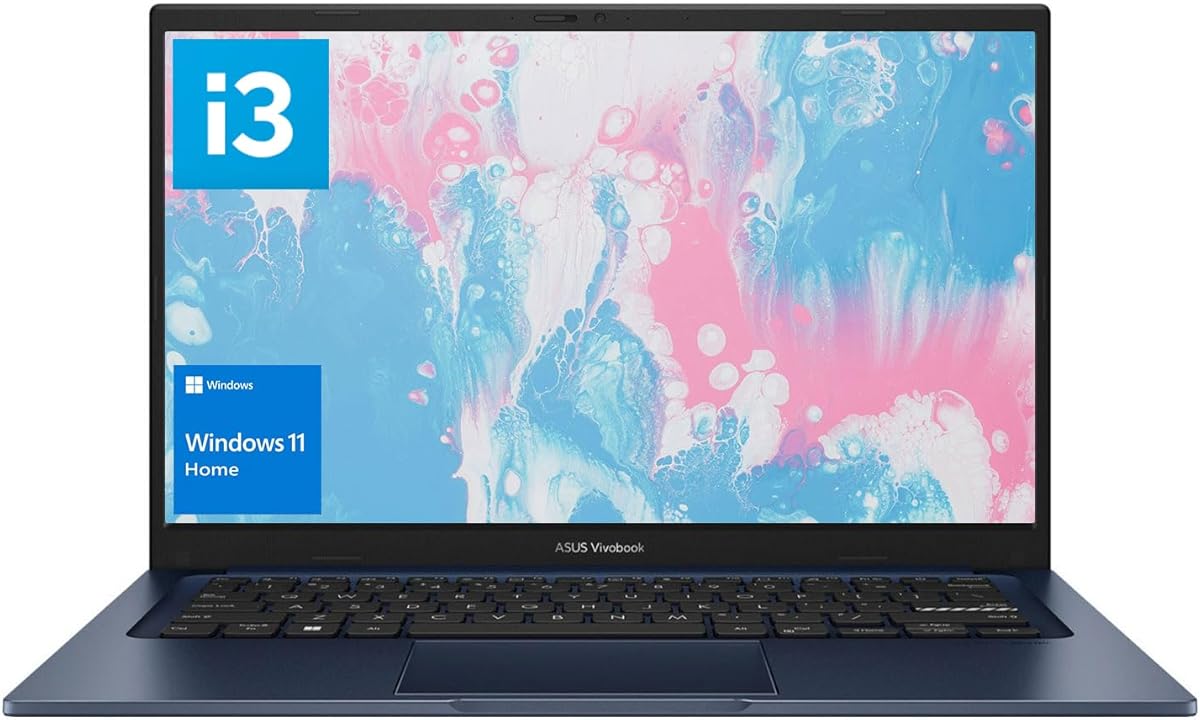
This Vivobook 14 model provides excellent value with 16GB RAM and a 512GB SSD at a lower price tier. A 4.2 rating reflects its capability to handle everyday tasks efficiently without high-end costs.
We may earn a commission when you buy through this link, at no additional cost to you.
The Intel Core i3 processor is capable of standard productivity tasks, ensuring smooth operation for research and writing. The generous memory capacity allows for seamless switching between applications and browser tabs.
Wi-Fi 6 support ensures stable connectivity for online classes and downloads. The display is adequate for indoor use, and the included webcam and microphone meet basic communication requirements.
Ideal for students focused on text-based work and web applications, this laptop delivers essential performance. It is a practical option for those who prioritize memory and storage over raw processing power.
Having 16GB RAM on a budget device ensures longevity and the ability to handle more complex tasks over time.
Wi-Fi 6 ensures fast and stable connections, which is crucial for remote learning and online exams.
We may earn a commission when you buy through this link, at no additional cost to you.
Selecting the right ASUS laptop involves evaluating several key factors that impact performance, usability, and longevity. This guide breaks down the most important considerations for students.
The processor determines how well a laptop handles multitasking and complex software. For general coursework, entry-level processors like Ryzen 3 or Core i3 are sufficient, but advanced students in engineering or media should opt for Ryzen 5, Core i5, or higher for smoother performance.
Look for newer generations and sufficient cores to ensure the laptop remains relevant throughout your academic career.
RAM is critical for running multiple applications simultaneously. While 8GB is standard for basic tasks, 16GB provides a comfortable buffer for heavy multitasking and future-proofing against software updates.
If you plan on using virtual machines or running large data sets, prioritize models with 16GB or more.
Solid State Drives (SSDs) offer significantly faster boot and load times compared to traditional hard drives. Aim for at least 256GB, though 512GB is recommended for storing textbooks and projects locally.
eMMC storage is acceptable for entry models but slower than NVMe SSDs. Verify the storage type if longevity and speed are priorities.
A good display reduces eye strain during long study sessions. Look for Full HD (1920×1080) or WUXGA resolutions with IPS panels for accurate colors and wider viewing angles.
Brightness and anti-glare coatings are essential for outdoor use or brightly lit classrooms to ensure readability.
For students moving between classes, lighter laptops (under 3.5 lbs) are preferable. However, 16-inch models may be heavier but offer larger screens for productivity.
Consider the battery life and port selection to ensure you can work unplugged for several hours without needing a heavy charger.
Laptops often endure bumps and travel, so a sturdy chassis is important. Models with military-grade certifications offer better resistance to drops and environmental stress.
Check the hinge quality and keyboard durability to ensure the device survives daily use.
Modern laptops should offer USB-C for charging and data transfer, along with USB-A and HDMI for peripherals and projectors. Wi-Fi 6 support ensures stable internet connections in crowded networks.
Verify the availability of necessary ports to avoid needing dongles or adapters during presentations.
Windows 11 Home is standard, but Pro versions offer additional security and management features useful for business or technical students. Ensure the OS supports all required academic software and applications.
Consider Copilot+ PC capabilities if you want access to advanced AI tools and features.
Proper battery management is essential for longevity. Avoid letting the battery drain to zero regularly; instead, try to keep it between 20% and 80% for daily use to extend overall lifespan.
Regular cleaning prevents dust from clogging vents and overheating the system. Use a soft, dry cloth for the screen and keyboard, and compressed air to clear dust from the vents without damage.
Protect the laptop from extreme temperatures and moisture. When traveling, use a padded sleeve or case to shield against bumps. Regular backups to cloud storage or external drives ensure you never lose important academic work.
The ASUS Vivobook 14 with Snapdragon X is highly recommended for its balance of portability and modern AI features. For heavier workloads, the Vivobook 15 with Core i9 provides premium performance suitable for technical majors.
Many ASUS Vivobook models meet military-grade durability standards, ensuring resistance to everyday wear and tear. This makes them suitable for carrying in backpacks and using in various campus environments.
Entry-level models are not designed for gaming, but models with integrated Radeon or dedicated graphics can handle light gaming. The Ryzen AI and Snapdragon models offer decent performance for casual play.
Most models offer 8 to 12 hours of battery life under standard usage. Factors like screen brightness and background applications can influence this, but fast charging helps mitigate downtime.
Some Vivobook models allow RAM upgrades, but many newer models have soldered memory. Check the specific model specifications before purchasing if you plan to upgrade later.
Most models ship with Windows 11 Home, but specific configurations like the Business & Student variant include Windows 11 Pro for enhanced security and management features.
Engineering students benefit from models with high RAM and powerful processors like the Vivobook 15 with Core i9. The included cooling bundle helps manage heat during complex simulations.
The ASUS Vivobook Go 15 with Ryzen 3 offers excellent value. It provides essential performance for note-taking and browsing at an affordable price point for tight budgets.
This roundup highlights ten distinct ASUS laptops tailored to various academic needs, from budget-friendly entry models to high-performance workstations. Each option brings unique strengths, whether it is the advanced AI capabilities of the Snapdragon models or the raw power of the Core i9 variants.
When making your decision, prioritize memory and storage capacity to ensure the device remains useful throughout your studies. Balance these technical specifications with portability requirements based on how much you plan to carry the laptop daily.
Prices and stock levels change frequently, so always check current offers before finalizing your purchase. Selecting the right model today will ensure you have a reliable companion for all your academic and professional endeavors.