
32GB 9-in-1 Linux Bootable USB Drive for Beginners
4.2Editor score
Beginner friendly interface options
Pre-bundled productivity software included
Printed user guide for setup
This guide compares the top ten bootable Linux USB drives for 2026, evaluating distribution variety, ease of use, hardware compatibility, and overall reliabilit
Finding a reliable bootable Linux USB drive simplifies testing new operating systems without altering your main computer setup. These drives allow you to run full desktop environments directly from portable storage, offering security and flexibility for various tasks.
We evaluated ten distinct products based on pre-installed distributions, ease of booting, and hardware compatibility. Our analysis focuses on how well each drive supports both legacy BIOS and modern UEFI systems for broad user accessibility.
Each selection highlights specific strengths ranging from security-focused tools to general-purpose distributions. Prices and availability fluctuate frequently, so verify current details before purchasing to ensure you get the right tool for your needs.
4.2Editor score

4.1Editor score

5.0Editor score
This table provides a side-by-side overview of the leading bootable Linux USB drives available today, highlighting their core distributions and key capabilities.

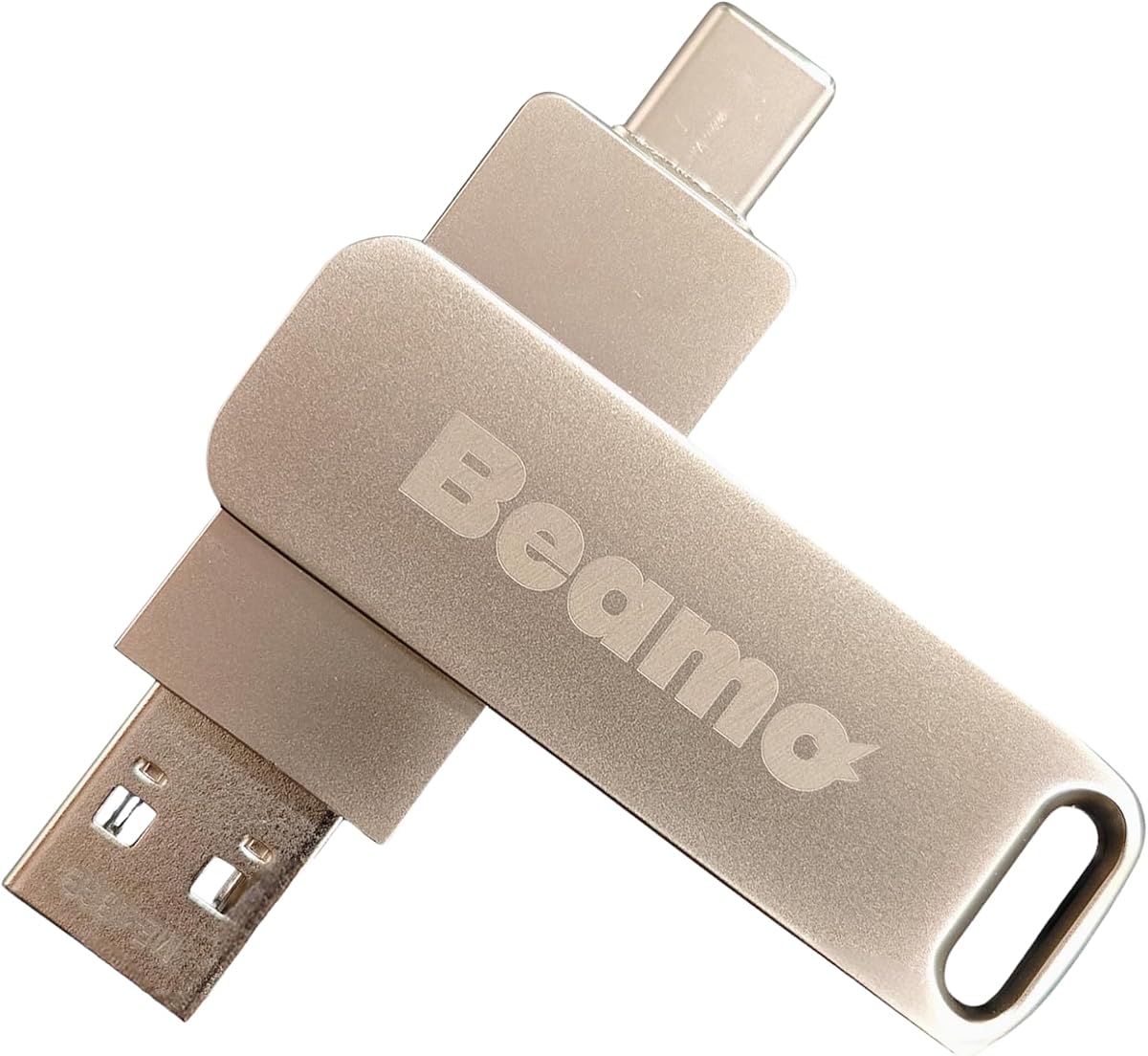


This drive stands out for offering an impressive selection of sixteen pre-installed operating systems. It combines modern USB 3.2 speeds with broad compatibility for both UEFI and legacy BIOS systems.
We may earn a commission when you buy through this link, at no additional cost to you.
The inclusion of popular distros like Ubuntu, Kali, and Tails ensures users can test environments or secure tools immediately. Each ISO is tested to ensure a smooth boot experience without corruption.
Users needing older Windows support appreciate the inclusion of legacy options. However, securing boot settings on modern motherboards may require adjustment to load the drive correctly.
For anyone wanting maximum choice in a single portable drive, this is the top recommendation. It simplifies the process of trying multiple systems without needing to download ISOs individually.
You gain access to security tools, daily drivers, and server setups all on one stick.
The dual boot mode support ensures your older laptop and new desktop can both run the OS.
We may earn a commission when you buy through this link, at no additional cost to you.
This option is specifically designed for users making their first switch from Windows to Linux. It includes nine popular distributions that are known for their user-friendly interfaces and ease of use.
We may earn a commission when you buy through this link, at no additional cost to you.
Each system comes pre-bundled with essential software like web browsers and office suites, making it ready to use immediately. The packaging includes a printed guide to help with booting steps.
While it lacks the sheer volume of options found in higher-end drives, the curated list ensures quality over quantity. Users should note that ARM devices and Apple Silicon are not supported.
It is an excellent entry point for those hesitant to download and burn ISOs themselves. The included support and clear instructions minimize frustration for non-technical users.
Distros like Mint and Pop!_OS are selected specifically for their intuitive desktop environments.
Office suites and multimedia tools come pre-installed so you can work right away.
We may earn a commission when you buy through this link, at no additional cost to you.
This drive offers a dedicated, high-quality experience centered around Linux Mint 22.3. It focuses on delivering a stable environment that mimics the familiarity of traditional desktop systems.
We may earn a commission when you buy through this link, at no additional cost to you.
Users get access to a full productivity suite and multimedia tools immediately upon booting. The Cinnamon desktop is known for its responsiveness and ease of configuration.
Gaming enthusiasts can leverage the included Steam integration for entertainment needs. However, those needing multiple different operating systems will find this less versatile than multi-distro options.
It is perfect for users who want a reliable daily driver option to test before installing permanently. The single focus ensures the drive is optimized for this specific OS.
The interface feels familiar to Windows users, reducing the learning curve significantly.
Included applications cover document creation and image editing needs out of the box.
We may earn a commission when you buy through this link, at no additional cost to you.
Debian is renowned for its rock-solid stability and privacy-focused design. This drive brings that reputation to a portable format, ideal for professionals and developers.
We may earn a commission when you buy through this link, at no additional cost to you.
The system is lightweight and free of unnecessary tracking or bloatware. It offers a clean slate for users who prefer to customize their environment exactly as they wish.
Regular security updates ensure the system remains safe for networked environments. However, general users might find the setup more technical than consumer-friendly options.
For those seeking the highest reliability and privacy, this drive is the top choice. It serves as a powerful tool for IT professionals and server testing.
Debian's long release cycle ensures that every included package is thoroughly tested.
No telemetry or forced updates allow you to maintain full control over your data.
We may earn a commission when you buy through this link, at no additional cost to you.
This drive is specifically marketed for installing and repairing Linux Mint systems. It provides a streamlined live environment that allows for quick diagnostics or fresh installations.
We may earn a commission when you buy through this link, at no additional cost to you.
The packaging includes helpful advice on backing up data before attempting any installation. This caution helps prevent accidental data loss during the process.
While limited to 16GB, it is sufficient for the OS and essential utilities. It serves as a reliable rescue tool for users dealing with Mint-related issues.
It is a practical choice for IT support or home users managing Mint installations. The focused purpose ensures the boot process is straightforward.
The drive allows you to troubleshoot system failures without affecting hard drive data.
Warnings about CPU architecture ensure you do not try to run it on incompatible hardware.
We may earn a commission when you buy through this link, at no additional cost to you.
This drive offers three versions of Linux Mint to accommodate both modern and older hardware. It is particularly useful for users who need compatibility with legacy 32-bit systems.
We may earn a commission when you buy through this link, at no additional cost to you.
The inclusion of version 19.3 ensures that even older PCs can run a modern interface. This versatility makes it a strong choice for upgrading outdated machines.
Users should be aware that Apple computers and Chromebooks are not supported. However, for standard Intel or AMD PCs, the compatibility is excellent.
It is ideal for those who specifically need Mint but want version options for testing. The user guide helps navigate the setup process efficiently.
The 32-bit option extends the life of older computers that cannot run 64-bit OS.
Testing different Mint versions helps you find the one that suits your workflow best.
We may earn a commission when you buy through this link, at no additional cost to you.
This drive focuses on utility tools and legacy operating systems. It includes Clonezilla for disk cloning and backup tasks, which is vital for system maintenance.
We may earn a commission when you buy through this link, at no additional cost to you.
The inclusion of Windows XP allows for compatibility with very old hardware that cannot run newer OS versions. This makes it a unique tool for archival or specific hardware needs.
Security enthusiasts will appreciate the presence of Tails for anonymous browsing. However, the outdated Windows option is mainly for specialized legacy compatibility.
It is a niche choice for technicians needing backup tools and legacy support. The mix of modern security and old OS offers a unique utility set.
Clonezilla is a powerful utility for creating disk images and restoring systems quickly.
Tails offers a secure, amnesic system that leaves no trace on the host hardware.
We may earn a commission when you buy through this link, at no additional cost to you.
This drive is built with high-quality flash chips for speed and longevity. It offers a fully customizable USB environment, allowing you to add or replace ISOs easily.
We may earn a commission when you buy through this link, at no additional cost to you.
The inclusion of both USB-A and USB-C connectors ensures compatibility with new and old devices. This makes it convenient for users with various hardware interfaces.
You can run the system offline without needing an internet connection, which is great for testing in restricted networks. The desktop environment is designed to revive aging computers.
It is a robust option for those who value hardware quality and flexibility. The support team ensures help is available if setup issues arise.
The dual port design means you don't need an adapter for modern laptops with USB-C.
The system includes essential apps so you don't need a network connection to start.
We may earn a commission when you buy through this link, at no additional cost to you.
This drive offers a focused selection of Ubuntu Long Term Support versions. It provides a solid base for users who prefer the Ubuntu ecosystem for stability and support.
We may earn a commission when you buy through this link, at no additional cost to you.
The inclusion of Lubuntu ensures that older hardware with limited resources can still run the system smoothly. This balance of modern and legacy options is well considered.
Users receive common software like browsers and editors immediately. The printed guide helps navigate the boot process without confusion.
It is ideal for those who want a standard Ubuntu experience without the hassle of downloads. The multi-version support adds flexibility for hardware differences.
Ubuntu's large community support ensures you can find help easily if issues arise.
Lubuntu provides a lightweight environment for older PCs needing a modern OS.
We may earn a commission when you buy through this link, at no additional cost to you.
This drive uniquely includes an Ubuntu Server installer for hosting and networking tasks. It is perfect for IT admins who need a portable server setup for testing.
We may earn a commission when you buy through this link, at no additional cost to you.
Support for both AMD64 and ARM64 architectures expands its usability beyond standard PCs. This makes it versatile for modern server hardware or specialized devices.
The dual port design and high-quality flash chips ensure reliable performance. You can customize the drive to include other tools as your needs evolve.
It is the best choice for professionals managing servers or learning Linux administration. The included server tools provide immediate value for network tasks.
The included server installer allows you to set up hosting and networking instantly.
Support for ARM64 means you can use this drive on compatible modern server hardware.
We may earn a commission when you buy through this link, at no additional cost to you.
Selecting the right bootable Linux USB drive depends on your technical needs, hardware compatibility, and specific use cases.
Consider how many operating systems you need on a single drive. Multi-distro drives offer flexibility but may be slower to boot specific versions.
For most users, a drive with popular distros like Ubuntu or Mint is sufficient for daily tasks.
Ensure the drive supports both UEFI and Legacy BIOS modes. Modern computers use UEFI, while older systems require Legacy BIOS booting.
This compatibility ensures you can use the drive on any PC or laptop without configuration issues.
Check if the drive supports 32-bit or 64-bit systems. Older computers may need 32-bit support which is not always available on modern drives.
Choosing a drive with the correct architecture prevents boot failures on older hardware.
Some drives offer both USB-A and USB-C connectors. This dual connectivity helps you use the drive with newer laptops that lack standard USB ports.
Selecting a dual port drive eliminates the need for adapters in different scenarios.
Storage capacity ranges from 16GB to 64GB. Larger drives allow for more data or multiple ISOs without running out of space.
Choose capacity based on how many systems you plan to store simultaneously.
Some drives include privacy-focused distros like Tails. These are essential if you require secure communication or anonymity while browsing.
Evaluate your privacy needs to decide if security tools are necessary for your workflow.
Look for drives that include printed user guides. Clear instructions help beginners navigate boot menus and setup processes.
Good documentation reduces frustration and speeds up the initial setup time.
Some drives allow you to replace or add ISOs easily. Customization is useful if you want to update the OS or add new tools later.
A customizable drive extends the lifespan of the product as software evolves.
To use the drive, insert it into a USB port and restart your computer. Enter the boot menu immediately after startup, usually by pressing a specific key like F12 or F2.
Navigate the boot menu to select the USB drive and press enter. Follow the on-screen prompts to run the live environment or install the operating system.
Keep the drive in a protective case when not in use to prevent physical damage. Regularly back up any personal data stored on it to avoid data loss.
Yes, most of these drives allow you to install Linux onto your hard drive permanently. You can run the live environment first to test it before proceeding with installation.
Generally, these drives are designed for x86-64 PCs and do not support Apple Silicon Macs. You should check specific product details before purchasing for ARM-based Macs.
Many modern PCs require Secure Boot to be disabled to boot Linux from a USB. Check your BIOS settings to adjust this if the drive does not boot automatically.
When you create a bootable USB, any existing files on the drive will be erased. These drives come pre-made so you do not need to format them yourself.
Some specific drives include tools like Clonezilla designed for backup. However, most are optimized for running operating systems rather than storing backup files.
Most of these drives use USB 3.0 or higher speeds, which are faster than standard flash drives. This ensures quick boot times and smoother system performance.
Most standard bootable drives are not compatible with Chromebooks due to hardware limitations. You should verify compatibility with your specific model before buying.
While Linux can run some Windows applications using compatibility layers like Wine, it is not native. Most of these drives include Linux-native applications instead.
This guide has reviewed ten top-rated options for portable Linux systems. Whether you need a multi-distro drive or a specialized tool for server testing, there is a choice for every need.
Prioritize compatibility with your hardware and the specific distributions you require. For general use, options like the 16-in-1 or Mint specific drives offer great value.
Remember to check current availability and product updates before finalizing your purchase. Keeping up to date ensures you get the most reliable version of these tools.