
DY-50 Intraoral Camera
4.5Editor score
Works with major software
Ergonomic design
Anti-fog lens
Compare the top cameras for dental photography including intraoral models and DSLRs to capture clear images that improve patient communication and case
Finding the right camera for dental photography is essential for modern practices. Clear images help patients understand treatment needs and build trust with their providers effectively.
We compared ten highly rated cameras ranging from specialized intraoral units to versatile DSLR systems. Our analysis focused on image quality, ease of use, and software compatibility.
Each pick highlights specific strengths for different clinical workflows. Keep in mind that product availability and pricing can change frequently so verify details before purchasing.
4.5Editor score
4.4Editor score

4.0Editor score
This side-by-side comparison highlights key specifications for every camera reviewed to help you find the perfect fit for your dental practice needs.


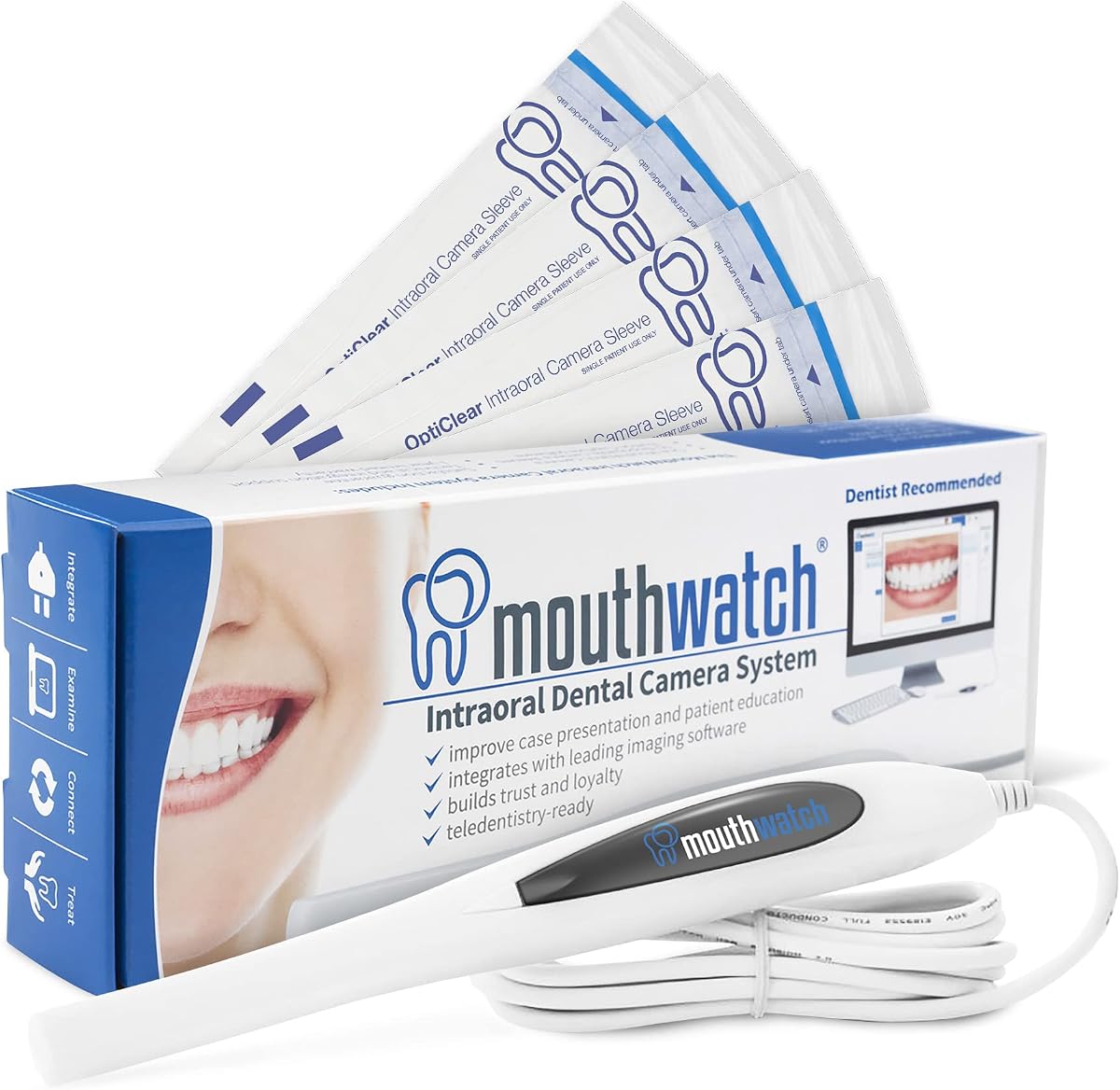
This intraoral camera stands out for its ability to deliver crystal clear images that help patients visualize their treatment needs effectively. With a strong rating and seamless integration capabilities it reduces friction in your daily workflow significantly.
We may earn a commission when you buy through this link, at no additional cost to you.
The single-button operation ensures that capturing photos is quick and lag-free which is critical during busy patient appointments. The fixed focal distance eliminates the need for manual focusing saving valuable time per visit.
While the fixed focal distance might limit some macro versatility the clarity and speed provided make it a reliable tool for most dental imaging needs. Support is also readily available for any technical challenges.
Dental professionals looking for a straightforward solution to improve case acceptance should consider this camera. It balances ease of use with professional quality to enhance patient trust and understanding.
High quality images allow patients to see exactly what you see which improves their understanding of necessary treatments.
Automatic saving to patient charts and quick integration with major software suites minimizes administrative delays.
We may earn a commission when you buy through this link, at no additional cost to you.
The Canon EOS Rebel T7 offers exceptional image quality with a 24.1 Megapixel CMOS sensor that captures vibrant colors and sharp details essential for dental documentation. Its optical viewfinder ensures you see exactly what you are capturing without delay.
We may earn a commission when you buy through this link, at no additional cost to you.
This camera is versatile enough for general practice photography beyond just intraoral work. The built-in Wi-Fi allows for easy sharing of images to patients or colleagues for instant feedback.
However using a DSLR for dental photography requires additional macro lenses to get close enough to teeth properly. It is heavier and bulkier than dedicated intraoral cameras which may slow down quick checks.
For practices that want a high-quality camera system that can also serve for marketing or general photography the Rebel T7 is a strong investment. It delivers professional results with intuitive operation.
The APS-C sensor captures fine details in tooth texture and color that are crucial for accurate diagnosis.
Built-in Wi-Fi makes it easy to transfer photos to smartphones or tablets for immediate patient review.
We may earn a commission when you buy through this link, at no additional cost to you.
This bundle provides everything you need to start shooting immediately including a memory card, strap, and bag. The camera itself features a 24.1MP sensor that produces vibrant and sharp images suitable for dental records.
We may earn a commission when you buy through this link, at no additional cost to you.
The inclusion of essential accessories saves money and ensures you have what you need from day one. It is designed for easy use with automatic settings that help beginners get great results quickly.
As a DSLR it is larger than intraoral cameras and requires manual setup for macro shots. This can be a drawback if you need to snap photos rapidly during procedures without extra lenses.
If you are looking for a versatile system that can grow with your skills and offers great value out of the box this bundle is an excellent choice. It balances cost and performance well.
The bundle includes memory cards and bags so you can begin using the camera immediately without extra purchases.
Intuitive automatic settings make it easy to get high quality images without needing advanced photography skills.
We may earn a commission when you buy through this link, at no additional cost to you.
The Canon EOS R50 features advanced autofocus technology that can track subjects precisely which helps when capturing detailed dental images. With 24.2 megapixels and a DIGIC X processor it delivers stunning clarity for documentation.
We may earn a commission when you buy through this link, at no additional cost to you.
Its high-speed shooting capability ensures you never miss the right moment when lighting or patient positioning aligns perfectly. The vari-angle touchscreen allows for flexible shooting angles to get the best view.
This camera is more advanced than the T7 which comes with a higher price tag and requires RF-S lenses. While powerful it might be overkill if you only need basic intraoral photos.
For practices that want future-proof technology and superior autofocus performance the R50 is a strong contender. It offers a modern experience with top-tier image quality for professional use.
Advanced autofocus ensures that teeth remain sharp even if there is slight movement during the capture process.
The vari-angle touchscreen allows you to compose shots from awkward angles to capture difficult areas.
We may earn a commission when you buy through this link, at no additional cost to you.
The Sony ZV-1 is designed with creators in mind offering a lightweight body and intuitive controls. It delivers vibrant professional-grade results with natural colors and smooth tonal transitions ideal for visual documentation.
We may earn a commission when you buy through this link, at no additional cost to you.
Its compact design makes it easy to handle for longer sessions without fatigue. The built-in microphone system ensures that any verbal notes or patient feedback are captured clearly alongside the images.
Since it is a general purpose camera it lacks specific dental integration features. You will need to ensure the lens works for close-up shots without significant distortion or lack of detail.
If you plan to create educational content or video records alongside photos this camera offers excellent versatility. It is a great choice for those who value portability and video capabilities.
The ZV-1 captures crisp 4K video which can be useful for recording procedures or treatment explanations.
A 3-capsule directional microphone ensures clear audio recording for video content or voice notes.
We may earn a commission when you buy through this link, at no additional cost to you.
This camera offers next-level clarity with an 88MP sensor that allows for significant detail capture. The quick autofocus system locks focus in seconds making it easy to capture sharp images rapidly.
We may earn a commission when you buy through this link, at no additional cost to you.
The dual-lens design and large touchscreen allow for flexible shooting angles and intuitive control. You can switch between modes like portrait or scene to optimize the image for different clinical scenarios.
However the high megapixel count relies on digital zoom which can reduce actual image sharpness. Dental work requires precise focus and clarity which may be compromised by digital processing.
For those who want a camera with many features at an entry-level price point this option is worth considering. It balances technology and affordability for general photography needs.
An 88MP sensor ensures that photos retain detail even when cropped or enlarged for presentations.
Built-in stabilization keeps images steady which is helpful when shooting handheld in dynamic environments.
We may earn a commission when you buy through this link, at no additional cost to you.
The DY-50 Intraoral Camera is an excellent budget option that still delivers crystal clear pictures. It integrates with most North American imaging software which makes it a practical choice for many clinics.
We may earn a commission when you buy through this link, at no additional cost to you.
Its ergonomic design allows for easy capture from upper and lower angles without discomfort. The anti-fog non-spherical lens ensures that images remain clear even during active procedures.
You must verify that your software is supported before purchasing but the driver included makes setup straightforward. It is a cost-effective way to digitize your imaging workflow without breaking the bank.
If you need a simple and reliable intraoral solution at an entry-level price the DY-50 is a solid investment. It offers the essential features needed for patient education at a low cost.
Compatibility with a long list of imaging suites ensures you can integrate easily with existing tools.
The ergonomic handset design reduces hand fatigue during multiple patient captures throughout the day.
We may earn a commission when you buy through this link, at no additional cost to you.
The DARYOU DY-60 features a 4X zoomable lens which adds flexibility when capturing different areas of the mouth. It produces 720P HD images that are clear enough for most clinical documentation needs.
We may earn a commission when you buy through this link, at no additional cost to you.
Its capture button works with major imaging software like Dexis and Eaglesoft allowing for seamless workflow integration. You do not need a foot pedal which simplifies the setup and reduces equipment count.
The resolution is lower than some newer models but for basic needs it provides sufficient clarity. The zoom function helps in seeing fine details without needing to move the camera physically.
For practices that require zoom capability at a budget-friendly price this camera is a strong contender. It balances functionality with affordability effectively for everyday use.
The 4X zoom allows you to focus on specific details without moving the camera closer to the patient.
Compatible drivers ensure that your capture button works directly with your existing dental imaging systems.
We may earn a commission when you buy through this link, at no additional cost to you.
The UNK Kime-X8S Elite provides an integrated experience with a 17-inch touchscreen computer built into the unit. This allows for seamless switching between views and instant comparison of before and after images.
We may earn a commission when you buy through this link, at no additional cost to you.
Its imported high-performance image chip delivers ultra-smooth high definition visuals for precise analysis. The WiFi QR code feature lets you transfer photos to any device in seconds without cables.
While it is more expensive than standalone cameras it offers a complete solution that simplifies workflow significantly. The plug-and-play design means minimal setup time so you can start using it right away.
For practices seeking a modern all-in-one system that enhances patient presentation and efficiency this is an excellent choice. It combines hardware and software into a cohesive user-friendly experience.
The 17-inch touchscreen allows you to review images instantly on the same unit for immediate feedback.
WiFi QR transfer enables instant sharing of images to patient devices for better understanding.
We may earn a commission when you buy through this link, at no additional cost to you.
This lighting aid is designed to enhance any existing camera or smartphone setup for dental photography. It features fully adjustable brightness to ensure the teeth are well illuminated without harsh reflections.
We may earn a commission when you buy through this link, at no additional cost to you.
The flexible bracket allows you to adjust the angle for an ideal view inside the mouth. This omni directional shooting capability helps capture details from various positions without moving the patient.
It is a supplemental tool rather than a camera itself so you still need a reliable device to capture images. However it improves the quality of photos significantly by optimizing light conditions.
For practitioners using smartphone cameras or basic setups this accessory is a cost-effective way to improve image quality. It ensures your photos are bright and clear for accurate documentation.
You can adjust the light from zero to 100 percent to suit different lighting needs in the room.
The removable handpiece bracket lets you adjust angles to fit any device for consistent lighting.
We may earn a commission when you buy through this link, at no additional cost to you.
Choosing the right camera involves evaluating your practice needs budget and technical requirements. Below are key factors to consider before making a purchase.
Decide between intraoral cameras and DSLRs. Intraoral cameras are built specifically for dental work with features like single-button capture and software integration. DSLRs offer versatility but require more setup and accessories.
Consider if you need dedicated dental tools or a versatile general camera.
Look for high resolution sensors that capture fine details. Clear images are essential for accurate diagnosis and patient education. Resolution should be sufficient to show textures and color variations.
Prioritize cameras that deliver sharp and detailed results for clinical needs.
Check compatibility with your existing dental imaging software. Seamless integration saves time by allowing direct saving to patient charts. Avoid cameras that require complex setups or proprietary software.
Ensure the camera supports your current workflow software for efficiency.
The camera should be easy to handle and operate quickly. Features like single-button capture and auto-focus help reduce procedure time. Ergonomics matter to prevent fatigue during multiple patient captures.
Select a camera with intuitive controls for smooth operation.
Proper lighting is crucial for dental photography. Look for cameras with built-in lights or consider adding external lighting accessories. Adjustable brightness helps avoid glare and shadows on teeth.
Ensure your setup provides consistent and accurate lighting for all shots.
Consider the weight and size of the camera. Lightweight handheld units allow for easy maneuvering around the patient. Bulky cameras may be difficult to use in tight spaces or for long periods.
Opt for a camera that is comfortable to hold and move around.
Set a budget based on your practice needs. Intraoral cameras range from budget-friendly to premium all-in-one systems. Balance cost with features that improve your workflow and patient outcomes.
Invest in quality that provides long-term value for your practice.
Check for customer support availability. Responsive support ensures quick resolution of technical issues. Lifetime support or warranty can be valuable for maintaining consistent operations.
Choose a provider that offers reliable assistance when needed.
Start by integrating the camera with your imaging software. Follow the setup instructions carefully to ensure all features function correctly. Test the camera before patient appointments to confirm it is working.
During use, keep the camera clean and handle it with care. Use protective sheaths to maintain hygiene between patients. Avoid touching the lens with fingers to prevent smudges or scratches.
Store the camera in a dry place to prevent moisture damage. Regularly update the software to get the latest features and fixes. Proper maintenance extends the life of your equipment and keeps images clear.
For a new clinic, the Intraoral Camera, Crystal Clear Images is a top choice. It offers ease of use and strong software integration. This helps streamline your workflow and improve patient communication.
Yes, you can use a DSLR for dental photography but you will need a macro lens. DSLRs offer higher resolution but are less specialized. They are a good option if you want versatility for other photography needs.
Many dental cameras require integration with specific imaging suites. Check the compatibility list before buying to ensure it works with your system. Some cameras include proprietary software as an alternative.
Resolution is critical for seeing fine details like cracks or color changes. Aim for at least 12 megapixels if using a DSLR. For intraoral cameras focus on clarity and color accuracy over raw pixel count.
The DY-50 Intraoral Camera is a great budget option. It works with many software suites and costs less than premium models. It provides essential features without a high price tag.
Use disposable sheaths for the camera probe during patient exams. Clean the camera body with appropriate disinfectants after each use. Proper hygiene protects both the patient and your equipment from cross-contamination.
Lighting is essential for accurate color and detail capture. Good lighting reduces shadows and glare on teeth. Using a lighting aid can improve photo quality even if you use a basic camera.
Most cameras save photos directly to patient charts via software. Some models offer Wi-Fi for wireless transfer. Ensure your computer is properly connected to receive and store the images.
We have reviewed ten cameras that cater to different needs in dental imaging. From specialized intraoral units to versatile DSLRs there is an option for every practice type.
Prioritize ease of use and software compatibility to ensure the camera fits your workflow. Good integration and clear images are key to patient trust and efficient documentation.
Remember that prices and availability can change so verify details before purchasing. Choosing the right camera will improve your dental practice and patient experience significantly.