
AMD Ryzen 7 7800X3D
4.8Editor score
Excellent value for money
Strong single core speed
Efficient power usage
This guide compares the top CPUs for 3D rendering performance featuring multi-core efficiency and rendering speed for professionals and enthusiasts.
Selecting the right central processing unit is critical for anyone serious about 3D rendering tasks. High core counts and efficient architectures determine how quickly complex scenes are calculated and finalized.
We evaluated the latest desktop processors focusing on multi-threaded performance clock speeds and cache efficiency. Our analysis covers both consumer and workstation class options available in the current market.
Each product listing includes detailed specifications pros and cons and real-world usage notes. Please note that pricing fluctuates frequently so verify current rates before purchasing any hardware.
4.8Editor score

4.8Editor score

4.2Editor score
The following table provides a side-by-side comparison of all ten processors evaluated in this guide to help you identify the best fit for your specific rendering workflow needs.

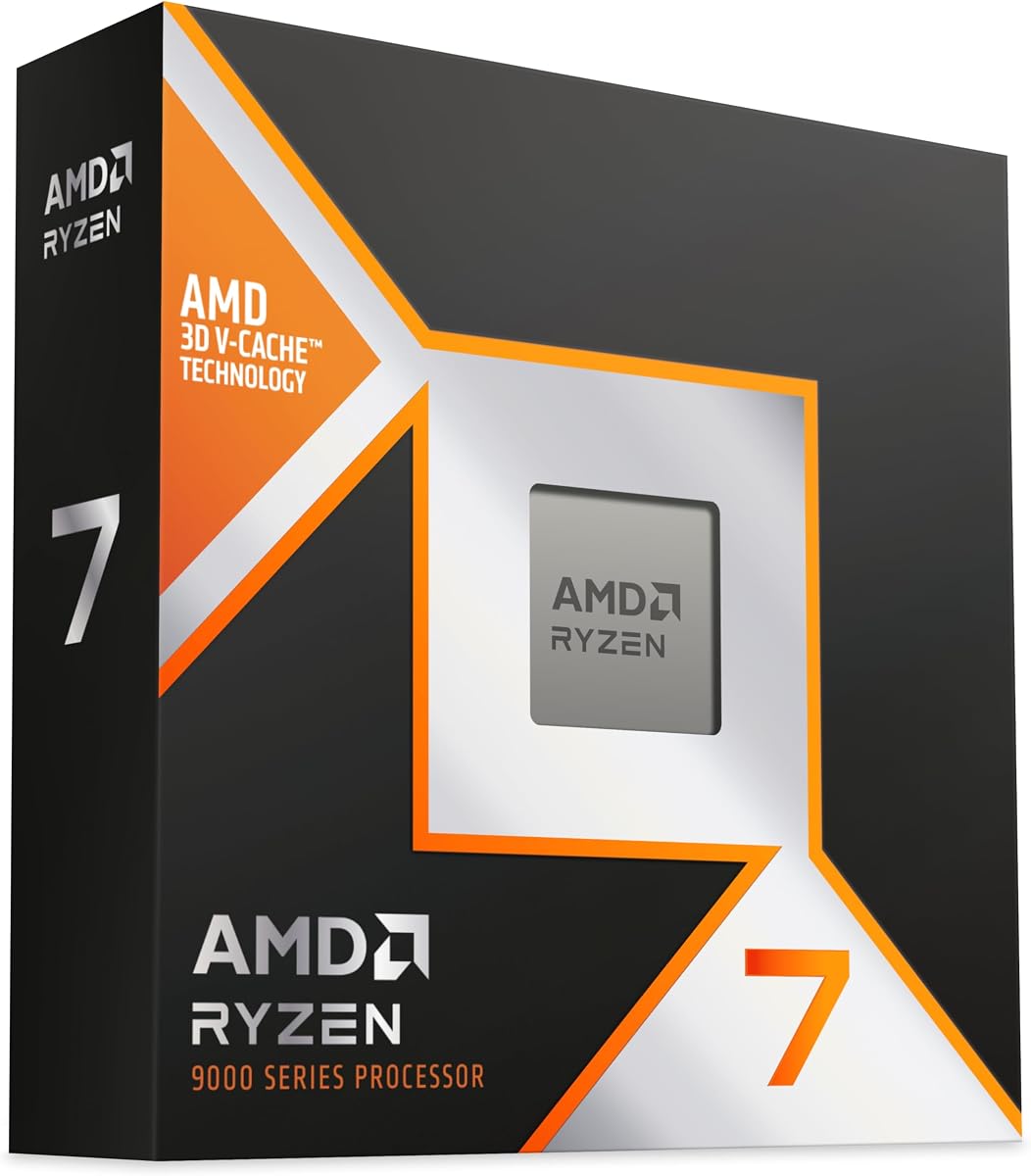


The AMD Ryzen 7 9800X3D stands out as a top tier processor for 3D rendering tasks. It features Zen 5 architecture and delivers significant IPC improvements over previous generations.
We may earn a commission when you buy through this link, at no additional cost to you.
Its 96MB L3 cache ensures data is accessed quickly during complex scene calculations. This architecture benefit reduces bottlenecks when working with detailed geometry and textures.
While it offers eight cores it excels in clock speed efficiency. The boost clock reaches up to 5.2GHz which helps in applications that rely on single thread performance.
Professionals seeking a balance between gaming and rendering should consider this model. It provides robust performance without the extreme power draw of higher core count workstation chips.
The massive L3 cache allows for faster access to frequently used data during rendering cycles.
Socket AM5 infrastructure ensures future upgrade paths without needing a new motherboard.
We may earn a commission when you buy through this link, at no additional cost to you.
The AMD Ryzen 9 9950X3D offers sixteen cores and thirty two threads for demanding workflows. This processor is designed to handle content creation and gaming simultaneously.
We may earn a commission when you buy through this link, at no additional cost to you.
Its Zen 5 architecture pushes performance to new heights with clocks up to 5.7GHz. Users can expect faster render times in software that leverages parallel processing.
The larger core count makes it suitable for professional studios with tight deadlines. It manages complex simulations and geometry calculations with greater ease than eight core models.
Investors looking for future proofing will find the AM5 platform appealing. The combination of cache and core density provides a strong foundation for years of use.
With 16 cores this CPU excels at rendering tasks that can utilize parallel threads.
High performance requires adequate cooling solutions to maintain sustained boost speeds.
We may earn a commission when you buy through this link, at no additional cost to you.
The AMD Ryzen 7 7800X3D remains a highly respected choice for budget conscious creators. It provides an efficient execution of tasks with maximum reliability.
We may earn a commission when you buy through this link, at no additional cost to you.
Its 96MB L3 cache ensures excellent hit rates for short access times. This feature is particularly beneficial for rendering engines that cache geometry data locally.
Eight cores allow for smooth multitasking between design software and other applications. The clock speed of 4.2GHz delivers consistent performance across various workloads.
For those entering professional 3D work this model offers a low entry cost. It balances cost and capability better than many workstation alternatives.
The 5nm process technology delivers maximum productivity with lower energy costs.
Octa-core design allows for great reliability during extended rendering sessions.
We may earn a commission when you buy through this link, at no additional cost to you.
The AMD Ryzen 7 9850X3D brings Zen 5 performance to the desktop market. It is built for users needing reliable execution of intensive tasks.
We may earn a commission when you buy through this link, at no additional cost to you.
As part of the 9000 series it benefits from improved IPC and power efficiency. This makes it a strong contender for both rendering and general compute.
Its design ensures compatibility with proven AM5 infrastructure. Users gain access to PCIe 5.0 and DDR5 memory capabilities for high throughput.
Creators looking for a balanced system will appreciate its efficiency. It offers a reliable path forward for those prioritizing performance and stability.
Zen 5 architecture provides a solid foundation for demanding content creation software.
Desktop processor design ensures steady operation during long work cycles.
We may earn a commission when you buy through this link, at no additional cost to you.
The AMD Ryzen 9 9950X is built for creators needing ultra fast performance. It delivers on the promise of combining gaming speed with workstation power.
We may earn a commission when you buy through this link, at no additional cost to you.
Sixteen cores and thirty two threads handle heavy multi-threaded rendering tasks. The unlocked nature allows users to push clocks further if desired.
Max boost of 5.7GHz ensures that single threaded tasks remain snappy. This is vital for viewport interactions and software that relies on single thread speed.
Liquid cooling is recommended for stable performance under load. This CPU supports DDR5 5600 and PCIe 5.0 for future proof data bandwidth.
Unlocked status allows enthusiasts to tune performance beyond stock factory settings.
DDR5 support ensures high bandwidth for large texture and scene files.
We may earn a commission when you buy through this link, at no additional cost to you.
The AMD Ryzen 5 9600X targets smooth performance for creative workloads. It delivers pure gaming performance with high frame rates in popular titles.
We may earn a commission when you buy through this link, at no additional cost to you.
Six cores and twelve threads provide a capable base for rendering. The 5.4GHz max boost helps applications that rely on fast single core speeds.
Its unlocked status offers flexibility for users who want to overclock. DDR5 support and PCIe 5.0 ensure compatibility with modern peripherals.
While core count is lower it offers efficiency and speed. This makes it a viable option for entry level 3D work.
The high max boost clock helps maintain responsiveness in interactive software.
AM5 platform support ensures a clear path for future upgrades.
We may earn a commission when you buy through this link, at no additional cost to you.
The AMD Ryzen Threadripper PRO 5955WX is a dedicated workstation processor. It delivers professional performance for demanding software applications.
We may earn a commission when you buy through this link, at no additional cost to you.
Sixteen cores and thirty two threads allow for heavy multitasking. The 4 GHz base clock ensures steady performance under sustained loads.
It supports DDR4 memory which can be cost effective for large capacities. This makes it suitable for studios managing massive datasets.
Professional users value its stability and reliability over raw consumer speed. It is a strong choice for environments where uptime is critical.
DDR4 support allows for large memory configurations at a lower cost.
Professional architecture ensures the system remains stable during long renders.
We may earn a commission when you buy through this link, at no additional cost to you.
The AMD Ryzen Threadripper PRO 7975WX offers thirty two cores and sixty four threads. It is designed for professional software applications requiring immense compute.
We may earn a commission when you buy through this link, at no additional cost to you.
Its boost frequency of 5.3GHz is exceptional for this core count. The huge 160MB cache ensures data is available instantly for complex calculations.
With eight channel DDR5 support it can handle up to 2TB of memory. This enables rendering of massive scenes that would crash consumer systems.
This CPU is best for enterprise studios with unlimited budgets. It provides the ultimate bandwidth and I/O for heavy workloads.
160MB of cache significantly reduces latency during complex geometry processing.
128 PCIe 5.0 lanes allow for high speed storage and GPU connectivity.
We may earn a commission when you buy through this link, at no additional cost to you.
The Intel Core Ultra 7 270K Plus brings hybrid performance to the table. It features twenty four cores split into performance and efficient clusters.
We may earn a commission when you buy through this link, at no additional cost to you.
Its boost speed of up to 5.50 GHz offers strong single threaded power. This helps in viewport performance and real time rendering feedback.
Support for PCIe 5.0 and DDR5 ensures modern connectivity. This processor is a powerful alternative for users invested in Intel ecosystems.
While availability may be limited it offers competitive performance. It is a solid choice for those seeking Intel based rendering power.
Mixing performance and efficient cores helps balance workload and power consumption.
PCIe 5.0 support ensures compatibility with next generation hardware components.
We may earn a commission when you buy through this link, at no additional cost to you.
The AMD Ryzen 9 5900XT offers sixteen cores and thirty two threads. It provides powerful content creation and game performance on the AM4 platform.
We may earn a commission when you buy through this link, at no additional cost to you.
Its Zen 3 architecture delivers a 4.8 GHz max boost clock. The unlocked status allows users to tweak performance for specific rendering tasks.
DDR4 support reduces memory costs compared to DDR5 platforms. This makes it an excellent choice for budget builds needing high core counts.
It serves as a great bridge for users upgrading older systems. It offers a cost effective path to professional rendering capabilities.
High core count at lower price points makes this ideal for budget studios.
AM4 socket support allows for affordable upgrades on existing boards.
We may earn a commission when you buy through this link, at no additional cost to you.
Selecting the right CPU involves balancing core counts architecture and budget to match your specific rendering workflows.
More cores generally mean faster rendering times for parallelized tasks. Professional studios often benefit from 16 to 32 cores for heavy simulation work.
For general users eight to twelve cores usually offer a balance between performance and cost.
Modern architectures like Zen 5 or Arrow Lake provide significant performance gains. They improve instructions per clock which boosts single threaded application responsiveness.
Newer architectures also support faster memory and PCIe standards for better throughput.
High boost clock speeds help viewport interactions and software that relies on single threads. A clock speed above 4.5GHz is ideal for complex viewport navigation.
Ensure the CPU can maintain these speeds under load with adequate cooling.
Larger cache sizes reduce latency when accessing frequently used data. This is crucial for rendering engines that cache geometry and textures locally.
Aim for at least 32MB of L3 cache for efficient performance.
A newer platform ensures you can upgrade later without replacing the motherboard. AM5 and LGA 1851 offer long support windows for future CPUs.
Consider the cost of the motherboard when budgeting for your build.
Efficient processors reduce electricity costs and heat generation over time. High power consumption requires robust cooling solutions which can be expensive.
Look for processors with a reasonable TDP for your cooling budget.
DDR5 support offers higher bandwidth for large scene files and textures. This reduces bottlenecks during heavy data transfer between RAM and CPU.
Ensure your motherboard supports the speed of memory you plan to use.
Balance your processor cost with other components like GPU and storage. Investing more in the CPU can reduce render times significantly for pros.
Choose a CPU that meets your current needs without overspending on unused features.
Install the CPU carefully on the AM5 or AM4 socket ensuring the not are aligned. Use high quality thermal paste and secure the cooler properly to avoid overheating.
Update your motherboard BIOS to ensure compatibility with the latest processors. This step is crucial for unlocking features like XMP or EXPO memory profiles.
Monitor system temperatures during rendering to ensure stability. Use software tools to track power usage and clock speeds for optimal performance.
Yes CPUs directly impact rendering speed especially for CPU based render engines. Higher core counts allow more calculations to happen simultaneously.
Eight to twelve cores are sufficient for most users. Professionals should consider sixteen to thirty two cores for heavy workloads.
Yes RAM speed affects how fast data moves to the CPU. Faster DDR5 memory helps reduce bottlenecks during large scene processing.
Yes you can upgrade CPUs without changing your GPU. However ensure your motherboard supports the new processor before buying.
High performance CPUs require liquid or high end air coolers. Adequate cooling ensures the processor stays within safe thermal limits.
AM5 and LGA 1851 offer better future support than older sockets. Choose a platform that allows for future upgrades if you plan to build long term.
Most high performance CPUs do not include stock coolers. You should purchase a separate cooling solution for stable performance.
Yes large cache reduces latency and improves performance. This is particularly beneficial for applications that cache geometry and texture data locally.
The AMD Ryzen 7 9800X3D and Threadripper PRO series offer excellent performance for different needs. Budget builders may prefer the 7800X3D while professionals might opt for 32 core options.
Prioritize core count and cache size when selecting your CPU. These features determine how fast your scenes will calculate and finalize in software.
Always check current prices before purchasing to ensure you get the best deal. Hardware values fluctuate so timing your purchase can save significant funds.